Emergency flood cleaning Croydon what to expect
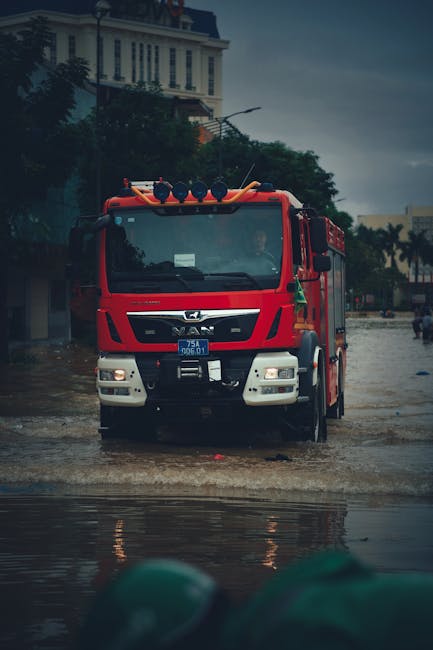
If you have water coming through the ceiling, a burst pipe soaking the hallway, or a ground-floor room that suddenly smells damp and muddy, you do not need a lecture. You need to know what happens next. This guide explains emergency flood cleaning Croydon what to expect in plain English, from the first call-out through to drying, sanitising, and the point where your home or premises feel usable again.
Flood damage is rarely neat. One minute it is a wet patch by the skirting board; the next it is furniture lifted, carpet peeled back, and someone trying to work out whether the underlay can be saved. In Croydon, where homes range from converted flats to older terraces and busy commercial spaces, the response needs to be quick, practical, and careful. Below, you will find the steps, the likely timings, the common issues people overlook, and the sensible questions to ask before work starts.
Why emergency flood cleaning Croydon what to expect Matters
When water gets into a property, the visible mess is only part of the problem. The real damage often happens quietly, behind skirting boards, under floor coverings, and inside wall cavities. That is why emergency flood cleaning is not just about mopping up. It is about stopping the spread of contamination, reducing structural damage, and preventing a minor incident from turning into a much bigger repair bill.
In Croydon, flooding and water ingress can happen for several reasons: plumbing failures, appliance leaks, blocked gutters, drainage issues, stormwater, or water that tracks in after a heavy downpour. A damp smell may be the first clue. Sometimes the floor feels slightly springy or cold underfoot. Sometimes the problem is obvious and noisy, with water pooling where it definitely should not be. Either way, the clock starts immediately.
Expert summary: the first 24 to 48 hours are often the most important. Fast action helps limit secondary damage such as mould growth, swollen timber, stained finishes, and ruined contents. The aim is not to make the place perfect in one sweep. It is to make it safe, dry, and steadily recoverable.
Truth be told, this is where many people feel overwhelmed. Do you move furniture first? Should you switch off electricity? Can carpets be saved? The right answer depends on the source and extent of the water. That is why a structured emergency cleaning response matters so much. It gives you order in a moment that feels very un-orderly.
If you are comparing local services, it can also help to understand the wider company context. Pages such as services overview and insurance and safety give useful background on how a provider approaches risk, equipment, and customer protection.
How emergency flood cleaning Croydon what to expect Works
A proper flood clean-up follows a sequence. Not every job needs every step, but the process usually moves from assessment to extraction, cleaning, drying, and final checks. Rushing straight to drying without first removing contaminated water is a classic mistake. It sounds efficient, but it often leaves hidden moisture behind.
1. Initial call and triage
The first stage is usually a short but important phone assessment. You will be asked what happened, where the water is, whether electricity is affected, and whether the water appears clean, grey, or contaminated. Clean water from a burst pipe is handled differently from water that has come up from outside drains or a backed-up toilet. That distinction matters.
Expect some practical questions. Has the source been stopped? Is the property safe to enter? Are there pets, vulnerable occupants, or business operations that need special consideration? These details help decide how urgently the team needs to attend and what equipment to bring.
2. Site inspection and safety checks
Once on site, the team should inspect the damage, identify the likely water source, and look for hazards. That may include checking for electrical risks, unstable flooring, contamination, or hidden saturation. A good technician will not just glance at the visible puddle and get on with it. They will trace how far the water has travelled. Water has a habit of wandering off where you least expect it. Sneaky little thing.
Moisture meters, thermal imaging, and close inspection help determine whether underlay, plaster, or timber has been affected. This stage often decides whether simple drying is enough or whether materials need to be removed.
3. Water extraction
Standing water is removed using pumps or wet vacuums, depending on the depth and spread. The faster this happens, the better. Extraction reduces the load on drying equipment and lowers the chance of the water spreading into unaffected rooms. In a flat or maisonette, this can be especially important because water can track to adjoining spaces through joins and gaps.
4. Removal of affected materials
Some materials can be cleaned and dried in place; others cannot. Heavily soaked carpets, ruined underlay, saturated insulation, and visibly contaminated soft furnishings may need to come out. This is not always bad news. Removing compromised material can speed up drying and reduce the risk of lingering odour or mould.
5. Cleaning and sanitising
Once the water is out, the area is cleaned using appropriate products for the type of contamination. The aim is to remove residue, reduce bacteria where needed, and leave the area safe for drying and follow-on repairs. If the flood involved external water or wastewater, the cleaning stage becomes more thorough. That part is not glamorous, obviously, but it is absolutely necessary.
6. Drying and dehumidification
Industrial dehumidifiers, air movers, and sometimes heater-assisted drying are used to pull moisture from surfaces and the air. The exact setup depends on the construction of the building and the amount of water involved. Drying can take hours for small incidents or several days for more serious damage. You should expect noise, warm air movement, and equipment running continuously.
7. Monitoring and final checks
Drying is not guessed. It is checked. Technicians normally revisit or monitor progress using moisture readings to confirm whether the affected materials are returning to safe levels. Only when readings and conditions improve should the area be cleared for reoccupation or repair work. That final part matters more than people think.
Key Benefits and Practical Advantages
Emergency flood cleaning is not just about convenience. It protects health, limits structural damage, and shortens the road back to normal life. To be fair, when a room has been soaked, "normal" may feel miles away. But the right response gets you there much faster.
- Less long-term damage: fast extraction and drying reduce swelling, staining, and deterioration of flooring and joinery.
- Lower mould risk: mould can begin developing quickly in damp conditions, especially in hidden areas.
- Safer living conditions: standing water, dirty residue, and slippery surfaces create hazards for families, tenants, staff, and visitors.
- Better salvage rates: the earlier the response, the more likely carpets, furniture, and fixtures can be saved.
- Less disruption: a structured clean-up can make it possible to use parts of the property sooner.
- Clearer repair decisions: once moisture is measured properly, you can make informed choices about reinstatement rather than guessing.
There is also a practical financial angle. A prompt, well-documented response can help show what was done, when it was done, and what materials were affected. That can be useful when speaking with insurers or contractors involved in repairs. It is not the kind of paperwork anyone enjoys, but it helps.
For readers who like to compare approaches, services such as pricing and quotes can also give a sense of how providers frame scope, urgency, and site conditions before work begins.
Who This Is For and When It Makes Sense
Emergency flood cleaning is relevant to more people than you might first think. It is not only for dramatic floods after storms. In many Croydon homes, the bigger headaches start with a leaking appliance, a burst pipe in a bathroom, or water pushing under laminate after a small but steady leak. Quiet damage can be the worst of the lot.
This service makes sense for:
- homeowners dealing with burst pipes, leaks, or storm damage
- tenants who need urgent support after a water incident
- landlords protecting a property between occupancies or after a leak
- letting agents managing time-sensitive reports
- business owners who need to reduce downtime
- shared buildings where water has affected communal areas
In Croydon, flats above shops, older properties, and busy family homes all create different flood-cleaning challenges. A ground-floor kitchen with vinyl flooring is not the same as a carpeted bedroom in a top-floor flat. Likewise, a retail space with stock on site needs a very different response from an empty rental property.
If the issue is part of a broader home maintenance concern, related local services such as gutter cleaning and pressure washing can be useful for reducing some weather-related water risks around the property. Different job, same general principle: stop water getting where it should not.
Step-by-Step Guidance
If you are standing in the middle of a flooded room, the process can feel blurry. This is the cleanest way to think about it.
- Make the area safe. If there is any chance water has reached sockets, appliances, or wiring, avoid contact and switch off power only if it is safe to do so.
- Stop the source. Turn off the mains stopcock for a plumbing leak, if you know where it is and it is safe to access.
- Move valuables and light furniture. Take photos first if possible. A quick picture can be very handy later.
- Contain the spread. Use towels or containers only as a temporary measure. Do not waste time trying to fully clean the space yourself if the water is spreading or contaminated.
- Document the damage. Make notes of what was affected, especially flooring, skirting, furniture, and electrical items.
- Call for emergency flood cleaning. Explain the source, the affected rooms, and whether there is visible contamination.
- Allow extraction and assessment. The team should identify what can be saved and what needs removal.
- Let drying run properly. Do not switch off equipment early because the room "feels dry enough". It may not be.
- Check readings before repairs. Reinstatement should follow confirmed drying, not a hopeful guess.
A small but important clarification: a surface that feels dry to the touch can still hold moisture inside. That is especially true with plasterboard, timber, chipboard, and subfloors. You would be surprised how often the visible problem is only half the story.
Expert Tips for Better Results
Experience counts in flood cleaning because every property behaves a little differently. The same amount of water can be manageable in one room and nasty in another, depending on materials, ventilation, and how quickly people responded.
Act on the source first, not the stain
People often focus on the visible mess because that is what they can see. Fair enough. But stopping the leak or isolating the source is what protects the rest of the property. Cleaning without source control is like mopping while the tap is still running.
Keep airflow sensible
Good drying is not simply about opening every window and hoping for the best. In some weather conditions, that can slow progress or introduce more damp air. Professional drying equipment is designed to move moisture out of materials in a controlled way.
Save what can actually be saved
There is no prize for keeping every damaged item. If a carpet, underlay, or cushion is fully contaminated, it may be more practical to remove it early and prevent broader damage. A clean loss is better than a hidden problem.
Keep children and pets away from the area
This sounds obvious, but in a busy family home it can be easy to forget. Wet floors, loose materials, and drying equipment are not a good mix with pets underfoot or children curious about the noise.
Ask for moisture readings
If you are unsure whether the property is actually drying properly, ask for readings or progress updates. A decent team should be able to explain what they are checking and why. No jargon needed, just plain language.
If you need a bit more confidence about who you are dealing with, pages like about us and health and safety policy help show the standards behind the service. That can matter when you are letting strangers into a stressed household, which is understandable.
Common Mistakes to Avoid
Flood clean-up errors are often made in a hurry. Everyone is trying to solve the problem quickly, and sometimes that leads to avoidable setbacks.
- Waiting too long: the longer moisture sits, the harder it becomes to control odour, staining, and mould risk.
- Using the wrong cleaning method: bleach and strong household products are not a one-size-fits-all answer, especially on delicate surfaces or contaminated materials.
- Ignoring hidden areas: under furniture, behind kickboards, and beneath flooring can stay wet long after the room looks fine.
- Switching off drying equipment early: this can leave the job unfinished and allow moisture to creep back.
- Reinstalling flooring too soon: putting carpets or boards back before moisture levels are correct can trap dampness inside.
- Not documenting damage: without notes or photos, it can be harder to explain the extent of the issue later.
One surprisingly common mistake is trying to air the place out while leaving everything else untouched. Fresh air helps in some situations, yes, but it does not replace proper extraction and monitored drying. Not even close.
Tools, Resources and Recommendations
You do not need to be a technician to understand the basic equipment used in flood cleaning. Knowing the purpose of each item helps you make better decisions and ask better questions.
| Tool or method | What it does | Why it matters |
|---|---|---|
| Wet vacuum or pump | Removes standing water | Reduces immediate damage and speeds up drying |
| Moisture meter | Checks moisture in walls, floors, and timber | Shows whether drying is actually working |
| Air mover | Circulates air across damp surfaces | Helps moisture evaporate from materials |
| Dehumidifier | Removes moisture from the air | Prevents damp air from slowing drying |
| Protective equipment | Helps keep technicians safe | Important where contamination or sharp debris is present |
| Cleaning and sanitising products | Removes residue and treats affected surfaces | Supports hygiene and odour control |
Recommended preparations for a property owner are much simpler:
- have a recent set of photos of the room if possible
- keep your insurer's details and reference numbers handy
- note the time the issue was first noticed
- clear a path to the affected room if you can do so safely
- record any essential items moved out of the way
If the issue was caused by outside water or a larger weather event, related maintenance pages such as services overview and local area pages like Croydon can help orient you to the wider service coverage. Not every reader needs that, but some do.
Law, Compliance, Standards, or Best Practice
Flood cleaning sits at the intersection of property care, health and safety, and waste handling. Exact responsibilities can vary depending on whether you are a homeowner, tenant, landlord, or business operator, so it is wise to handle the situation carefully rather than assume one blanket rule applies.
From a best-practice point of view, the priorities are straightforward: protect people first, control contamination, document the damage, and dry the property properly before reinstatement. Where wastewater, sewage, or heavily contaminated water is involved, the cleaning approach needs to be more cautious. Materials may have to be removed and disposed of rather than cleaned in place.
For rented homes and commercial premises, keeping records matters. A brief timeline, photos, and notes on what was affected can help with insurance conversations and landlord-tenant communication. If contractors need to access electrical systems, flooring, or shared areas, coordination should be clear and sensible. No one benefits from guesswork here.
Best practice also means not making claims you cannot verify. If a surface has only been visibly cleaned, say that. If moisture readings show a room is still drying, say that too. Clarity builds trust, especially when everyone is already under pressure.
Options, Methods, or Comparison Table
There are a few different ways a flood incident can be handled, and the right choice depends on severity, contamination level, and how fast the response begins. Here is a simple comparison.
| Approach | Best for | Pros | Limits |
|---|---|---|---|
| Basic drying and cleaning | Small clean-water leaks | Fast, less disruptive | Not suitable for contaminated water or deep saturation |
| Targeted material removal | Localised damage to carpets, underlay, or soft materials | Removes trapped moisture and odour risk | May require replacement of affected items |
| Full flood remediation | Widespread or contaminated flooding | Most thorough and safest option | More time, more equipment, more disruption |
In simple terms, small clean-water issues can sometimes be managed relatively quickly. But once contamination, hidden moisture, or widespread saturation are involved, a more comprehensive method is usually the better call. Shortcuts can be expensive later. That is the bit people often learn the hard way.
Case Study or Real-World Example
Here is a realistic Croydon-style example. A ground-floor living room in a terrace property took on water after a hidden pipe leak behind a kitchen unit. The owner first noticed a musty smell, then a patch of swelling at the edge of the laminate. By the time the source was found, water had travelled under the flooring and into the subfloor edge.
The response began with a safety check and source isolation. Water was extracted where visible, the kitchen plinths were removed to inspect the affected area, and moisture readings showed the damage was wider than the original patch suggested. The laminate in the worst-affected zone had to be lifted, while adjacent areas were dried in place. Dehumidifiers and air movers ran for several days, with readings checked during follow-up visits.
The key lesson was simple: the visible stain was not the full story. Had the homeowner tried to dry only the surface, trapped moisture would likely have remained under the flooring. That could have led to odour, mould, and a more expensive floor replacement later. Instead, the problem was contained early enough to limit the damage.
That kind of situation is not rare. It is just rarely dramatic at first. A lot of flood issues start quietly, and then suddenly become very real, very fast.
Practical Checklist
Use this checklist if you need to act quickly and stay organised.
- Stop the water source if it is safe to do so
- Switch off electricity only if the area can be reached safely
- Move valuables and lightweight items away from the wet zone
- Take photos before large-scale clean-up begins
- Make a note of the time the issue started
- Keep children and pets out of the affected area
- Arrange emergency flood cleaning as soon as possible
- Ask what type of water is involved
- Confirm whether materials need removal or can be dried in place
- Check that drying is monitored, not just left running
- Save invoices, readings, and written updates
- Do not reinstall flooring or furniture until the area is properly dry
Quick reminder: if the water smells foul, looks dirty, or has come from a drain or toilet, treat it as contaminated until a professional says otherwise.
Conclusion
Emergency flood cleaning in Croydon is about far more than removing water. It is about assessing the source, protecting the property, controlling contamination, and drying the affected area properly so the damage does not spread quietly in the background. The best outcomes usually come from quick action, honest assessment, and patient drying rather than rushed fixes.
If you remember only one thing, let it be this: the sooner the problem is dealt with, the more you can save. Floors, furnishings, time, stress, a fair bit of money too. And even when the room looks rough at first, a proper process can turn a worrying situation into a manageable one.
Get a free quote today and see how much you can save.
When the water is gone and the room finally smells clean again, that first quiet moment feels like a relief. Small wins matter after a flood. They really do.
Frequently Asked Questions
What should I expect during emergency flood cleaning in Croydon?
You should expect an initial assessment, water extraction, cleaning, drying equipment, and follow-up checks. The team may also remove damaged materials if they are too saturated to save.
How quickly should flood cleaning start?
As quickly as possible. The earlier the response, the better the chance of limiting hidden damage, odour, and mould growth.
Can I stay in the property while the drying equipment is running?
Sometimes yes, but it depends on the severity of the damage, the rooms affected, and whether the water was contaminated. The equipment can be noisy and the area may need to stay off-limits.
Will all my carpet need replacing after a flood?
Not always. Clean water incidents may allow some carpets to be salvaged if they are dried quickly. Contaminated water or long-standing saturation often changes that outcome.
How long does flood drying usually take?
It varies. Minor leaks may dry relatively quickly, while larger incidents can take several days or more. The materials involved make a big difference.
Is flood water in a home always dangerous?
Not always, but it should never be treated casually. Water from outside drains, sewage, or unknown sources can be contaminated and needs more careful handling.
What if the water is only under the floorboards?
Hidden water is often the tricky bit. The flooring may need to be lifted or checked with moisture readings to make sure the dampness is not trapped underneath.
Do I need to contact my insurer first?
It is sensible to notify your insurer as soon as practical, but urgent drying and safety actions should not wait if the damage is active. Keep notes and photos for later.
Can flood cleaning stop mould from forming?
Proper cleaning and drying can reduce the risk a great deal, but no one should promise zero risk. Fast action and correct moisture control are the key factors.
What if the flood was caused by a neighbour or another flat?
That can happen in shared buildings. The first priority is still safety and drying. After that, you may need to coordinate with neighbours, landlords, or managing agents.
Is emergency flood cleaning different from normal cleaning?
Yes. Flood cleaning involves water extraction, contamination control, drying, and damage assessment. It is much more technical than routine cleaning.
How do I know if a company is taking the job seriously?
They should ask about the source of water, inspect properly, explain what will be done, and monitor drying rather than simply wiping the area and leaving. Clear communication is a good sign.