Upholstery cleaning for Fairfield Halls events
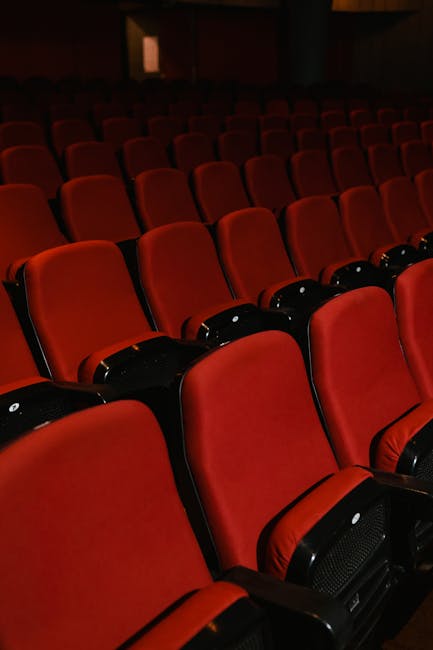
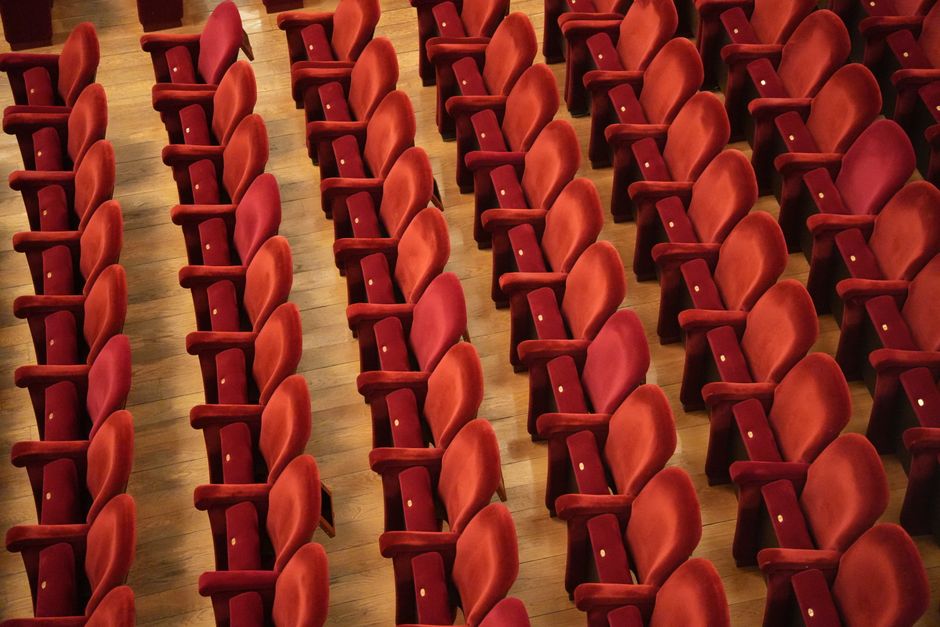
When people book or support a live event, they usually think about lighting, seating plans, timings, backstage logistics, and whether the tea urn is working. Fair enough. But upholstery cleaning for Fairfield Halls events is one of those behind-the-scenes jobs that quietly changes the whole experience. Clean seating, fresh fabric, and well-kept soft furnishings make the venue feel cared for before a single guest walks in.
If you are responsible for event preparation, venue maintenance, hospitality, or post-event cleanup, this guide walks you through what matters, how professional upholstery cleaning works, what to look out for, and how to avoid the small mistakes that turn into bigger problems later. Truth be told, it is often the details people do not notice that make the strongest impression.
Whether you are planning a one-off gala, a conference, a performance night, or a busy multi-day programme, the goal is the same: keep fabrics looking smart, reduce wear, and help the venue feel ready without creating disruption.
Table of Contents
- Why Upholstery cleaning for Fairfield Halls events Matters
- How Upholstery cleaning for Fairfield Halls events Works
- Key Benefits and Practical Advantages
- Who This Is For and When It Makes Sense
- Step-by-Step Guidance
- Expert Tips for Better Results
- Common Mistakes to Avoid
- Tools, Resources and Recommendations
- Law, Compliance, Standards, or Best Practice
- Options, Methods, or Comparison Table
- Case Study or Real-World Example
- Practical Checklist
- Conclusion
- Frequently Asked Questions
Why Upholstery cleaning for Fairfield Halls events Matters
Upholstered seating in an event venue works hard. People sit down with coats, umbrellas, coffee cups, programme leaflets, cosmetics, snack crumbs, and sometimes outdoor dirt brought in from a wet London street. Over time, fabric traps dust and odours, and small marks can start to make a room feel tired even when everything else is polished.
For a place hosting events, appearance is not vanity. It is part of the audience's first impression. A chair that looks clean suggests the whole venue is well managed. A chair with visible staining, flattened pile, or a stale smell can quietly undermine that feeling. Guests may not say it out loud, but they notice. Everyone notices, really.
There is also a practical side. Regular upholstery maintenance can extend the life of chairs, banquettes, soft lounge furniture, and waiting-area seating. That matters for budgets, because replacing commercial seating is expensive and usually inconvenient. Preventive cleaning is almost always easier than replacement, and far less disruptive to the event calendar.
In busy venues, cleaning needs to fit around setup windows, rehearsals, changeovers, and sometimes very short turnaround times. So upholstery cleaning for Fairfield Halls events is not just about cleaning fabric. It is about planning, timing, and protecting the venue's reputation while keeping operations smooth.
How Upholstery cleaning for Fairfield Halls events Works
Professional upholstery cleaning is usually a careful process, not a quick spray-and-wipe job. The right method depends on the fabric type, the level of soiling, the age of the furniture, and how much drying time is available before the next event.
In a typical event setting, the process starts with inspection. The cleaner checks the fabric label if available, looks for stains, tests discreetly in a hidden area, and identifies any issues such as thread damage, loose seams, sun fading, or old spill marks. This bit matters. If you skip it, you can end up pushing a stain deeper into the fibres or leaving a water mark behind.
After inspection, the upholstery is normally vacuumed thoroughly. That removes loose dust, grit, and crumbs that can otherwise turn into mud when moisture is applied. Next comes spot treatment or an overall clean, depending on what the fabric and condition allow. Some materials respond well to low-moisture extraction, while others need gentler dry-clean style methods or hand-applied cleaning solutions.
Drying is a major part of the job. In a venue environment, the cleaning method should aim to minimise downtime. Good airflow, sensible product use, and planning around event schedules help keep chairs ready on time. On a practical level, nobody wants to finish a beautiful room and discover the seats are still damp an hour before doors open. That is the sort of thing that makes event teams sigh into their lanyards.
For larger venue work, cleaning is often done section by section. That way, some seating can stay in use while other areas are being treated, which helps avoid unnecessary disruption.
Key Benefits and Practical Advantages
The benefits go well beyond "looks nicer". In a venue like Fairfield Halls, upholstery cleaning supports the whole event experience in several ways.
- Better presentation: Clean seating lifts the appearance of the room and helps the venue feel cared for.
- Improved guest comfort: Fresh fabrics feel better to sit on, especially during longer performances or conferences.
- Odour control: Upholstery can hold onto food, drink, smoke-like smells from outside, and general stale air. Cleaning helps reset that.
- Longer furniture life: Dirt and grit act like sandpaper inside fibres. Regular cleaning reduces wear.
- Lower risk of stain setting: A fresh spill dealt with early is much easier to remove than one left for weeks.
- Better turnaround between events: A structured cleaning plan reduces last-minute scrambles.
- Stronger brand image: For corporate bookings, hospitality events, and public performances, the venue's condition reflects on the organiser too.
There is also a subtle psychological benefit. People tend to relax in a room that feels clean and orderly. For an audience, that sets the tone before the event really begins. For staff, it reduces the feeling that they are constantly fighting grime. Not glamorous, but very real.
Who This Is For and When It Makes Sense
This kind of cleaning is useful for a wide range of people involved in event operations. If you are thinking, "Do we really need this now?" the answer depends on how the venue is used and what condition the upholstery is already in.
It makes sense for:
- venue managers overseeing regular performances or conferences
- event organisers preparing a room for a premium audience experience
- hospitality teams responsible for guest-facing seating areas
- facilities or maintenance teams managing wear and tear
- cleaning contractors handling turnaround work between bookings
- production teams who need the venue to present well in photos and video
It is especially relevant when seating is used heavily, when drinks or snacks are served, when there are back-to-back events, or when the venue has not had a deep clean in a while. If the room smells slightly stale after being closed up overnight, or if there are visible marks that normal housekeeping cannot shift, that is usually a sign to go beyond routine wiping and into proper upholstery care.
One real-world scenario: a venue may look perfectly fine from the aisle, but once you sit down and run your hand along the armrest, you feel a sticky patch or see a faint ring mark. Guests often notice these things while settling in. It is a tiny moment, but it affects the whole impression.
Step-by-Step Guidance
If you are planning upholstery cleaning for an event venue, a simple structure helps. Here is a practical approach that works well in real settings.
- Assess the furniture. Check the fabric type, age, visible stains, and any damage. Note which seats or soft furnishings need attention most urgently.
- Match the method to the material. Some fabrics can handle extraction cleaning; others need a low-moisture or specialist approach. Never guess if you can avoid it.
- Vacuum first. Remove dust, crumbs, grit, and debris from seams and corners. This reduces friction and improves the result.
- Spot-test products. Test cleaners in a hidden area before treating larger sections. Better a tiny test mark than a big surprise.
- Treat stains carefully. Work from the outside in, blot rather than rub, and use the least aggressive method that is likely to work.
- Clean in sections. This keeps the work manageable and helps with drying and event scheduling.
- Promote airflow. Open routes for ventilation where possible, or use suitable drying equipment if the schedule allows.
- Inspect after drying. Check for water marks, missed spots, or areas that need a second pass.
- Record the condition. A quick note or photo log helps with future planning and maintenance decisions.
That final step is often skipped, and it is a shame because it makes the next clean easier. A simple record of what was treated, what stain type appeared, and which method worked can save time later.
Expert Tips for Better Results
These are the small things that tend to make the biggest difference. Some are obvious once you know them. Some, oddly, are not.
Work with the fabric, not against it. Synthetic blends, velvets, wool mixes, and coated fabrics all behave differently. A method that works on one might damage another. If the material is unknown, proceed carefully.
Deal with spills early. Fresh drinks, food, and cosmetic marks are much easier to lift than set-in stains. Even if a deep clean is scheduled later, a quick response can prevent permanent marking.
Be realistic about drying time. If there is a morning setup and an evening performance, you need a cleaning plan that respects the clock. Schedule with a buffer. Always.
Protect surrounding surfaces. Wood arms, metal trim, floor finishes, and decorative elements can all be affected by moisture or product overspray. Good masking and careful application matter.
Keep the room cool but ventilated. Stuffy rooms slow drying and can leave fabrics feeling heavy. A bit of airflow goes a long way.
Use the least disruptive method that still does the job. More water is not automatically better. In fact, too much moisture is one of the quickest ways to create extra work.
Plan around event peaks. In venues with intense periods of use, it often makes more sense to clean in cycles rather than waiting until everything looks visibly dirty. By then, the damage may already be done.
To be fair, a perfectly cleaned chair rarely gets applause. But guests absolutely feel the difference.
Common Mistakes to Avoid
A lot of upholstery problems come from trying to rush the job or assuming all fabric can be treated the same way. That is where things go sideways.
- Using too much water: This can leave damp padding, slow drying, and create odours or tide marks.
- Rubbing stains hard: Rubbing can spread the mark and push it deeper into the fibres.
- Skipping the test patch: You really do not want to discover colour bleed in the middle of a venue clean.
- Cleaning only visible areas: If you just tidy the obvious spots, the surrounding fabric may still look dull or patchy.
- Ignoring the label or fabric type: Seat coverings can behave very differently depending on construction.
- Leaving cleaning too late: Built-up soil is harder to shift and more likely to need heavier treatment.
- Forgetting the smell test: Sometimes the upholstery looks fine, but stale odour is the real issue. Guests pick up on that quickly.
Another common mistake is treating venue seating like domestic furniture. Commercial upholstery often takes more wear, and the cleaning plan needs to match that reality. The room may look quiet between events, but the fabric remembers every busy evening.
Tools, Resources and Recommendations
The right equipment makes upholstery cleaning more reliable and less disruptive. You do not need a room full of gadgets, but you do need the basics done properly.
| Tool or Resource | What It Helps With | Why It Matters in Event Settings |
|---|---|---|
| Commercial vacuum with upholstery attachment | Removing dust, crumbs, and loose debris | Prevents grit from grinding into fabric during cleaning |
| Fabric-safe stain treatment | Targeting spots before a full clean | Useful for drinks, food marks, and make-up transfer |
| Low-moisture extraction system | Deep cleaning without over-wetting | Helps reduce drying time between events |
| Microfibre cloths | Blotting and controlled application | Better than rough cloths for delicate fabric work |
| Air movers or ventilation support | Speeding drying | Important when turnarounds are tight |
| Inspection checklist | Recording fabric type, stains, and damage | Supports planning and consistent results |
In practice, the best resource is a sensible maintenance schedule. Even with good equipment, a one-off emergency clean is never as effective as planned care across the year. If you have ever seen a venue scramble after a spilled drink on busy night, you will know exactly why.
If you need a broader cleaning plan around the venue rather than upholstery alone, it can help to think in terms of surface categories and traffic areas. For example, detailed care for guest-facing spaces often goes hand in hand with office cleaning services in London when admin rooms, production offices, and support areas all need to stay presentable too. Likewise, larger event spaces may benefit from coordinated commercial cleaning services in London so the whole site stays consistent rather than patchy.
Law, Compliance, Standards, or Best Practice
For upholstery cleaning in a public event venue, the main concern is usually not a single legal rule about the fabric itself. Instead, the focus is on safe working practices, sensible product use, and keeping the environment suitable for staff and guests.
That means cleaners and venue teams should think about:
- Safe use of cleaning chemicals: Products should be used according to their instructions, with attention to ventilation and contact times.
- Slip and trip prevention: Wet areas, hoses, cables, and cleaning equipment need to be managed carefully in public or staff-only spaces.
- Risk assessment: This is especially important when work happens before opening hours, during changeovers, or near the public.
- Fire safety awareness: Any fabric treatment or drying equipment should fit the venue's safety procedures and not block exits or access routes.
- Fabric protection: Best practice is to use the gentlest effective method, reducing the chance of damage or residue build-up.
In the UK, venues generally work to established health and safety expectations, and event spaces are no exception. In plain English, the cleaning process should be planned, controlled, and documented enough that staff know what is happening and where the risks are. No drama, no guesswork.
Best practice also includes checking whether any particular upholstery has manufacturer guidance or existing maintenance notes. If a fabric has been previously treated, repaired, or stained with an unknown substance, a cautious approach is wiser than a hurried deep clean. That is not being overcareful. That is being sensible.
Options, Methods, or Comparison Table
Not every seating area needs the same treatment. The right method depends on the fabric, schedule, and expected level of use. Here is a straightforward comparison that helps when deciding what suits the job.
| Method | Best For | Pros | Watch Outs |
|---|---|---|---|
| Vacuum-only maintenance | Light dusting and routine upkeep | Fast, low disruption, good between events | Will not remove embedded stains or odours |
| Spot cleaning | Small spills and localised marks | Targeted, efficient, useful for quick turnarounds | Can leave patchiness if not blended properly |
| Low-moisture extraction | General deep cleaning of commercial upholstery | Thorough yet controlled drying time | Needs proper technique to avoid over-wetting |
| Dry cleaning style treatment | Sensitive fabrics or limited drying windows | Gentler on certain textiles | May not suit heavy soil or all stain types |
| Specialist stain treatment | Tough marks, odours, or problem areas | Useful for specific issues | Should be tested first, especially on older fabric |
A venue team usually gets the best outcome by combining methods rather than relying on just one. For instance, a deep clean before a busy season, spot work during event run, and routine vacuuming in between. Simple, but effective.
Case Study or Real-World Example
Here is a realistic scenario, without dressing it up too much.
A theatre-style event room has a run of evening bookings over several weeks. The chairs are still usable, but the armrests show patchy dulling, a few seats have drink rings, and there is a faint stale smell after the room has been closed during the day. Nothing dramatic. Just enough to make the space feel a bit tired.
The team starts with a full inspection and identifies the busiest rows, the stain-prone seats near the central aisle, and the fabric type. Instead of treating the whole room with the same heavy approach, they break the work into sections. They vacuum thoroughly, spot-treat the worst marks, and use a controlled low-moisture method on the main seating areas. Airflow is improved overnight, and the next morning the room feels noticeably fresher. Not new, not magic, just properly managed.
The result is not only visual. Guest feedback improves, staff feel less rushed on event day, and the venue has a clearer maintenance plan for the next cycle. That is the real win. In our experience, this is how good venue care usually happens: not with one heroic clean, but with a smart routine.
Practical Checklist
Use this checklist before, during, or after upholstery cleaning for Fairfield Halls events.
- Identify the upholstery type and any care instructions.
- Inspect for stains, wear, loose seams, and odours.
- Confirm the event schedule and drying window.
- Vacuum all surfaces, seams, and edges thoroughly.
- Test any cleaning product in a hidden area first.
- Treat stains from the outside in and avoid rubbing.
- Use the least moisture needed for the job.
- Protect nearby surfaces and floor coverings.
- Allow proper airflow and drying time.
- Check for missed marks, water lines, or residue after cleaning.
- Record any damage or areas needing follow-up.
- Schedule the next maintenance clean before the fabric starts looking tired again.
If you can tick most of those off, you are in pretty good shape.
Conclusion
Upholstery cleaning for Fairfield Halls events is really about protecting the feel of the venue as much as the fabric itself. Clean seating supports comfort, presentation, hygiene, and confidence. It helps the room feel organised before the first guest arrives and helps the team stay ahead of wear instead of chasing it.
The best results come from planning, the right method, and a careful eye for detail. Whether you are dealing with a few marked seats or managing a full-event turnover, the principles stay the same: assess properly, clean gently but thoroughly, and give the fabric time to recover. That's the difference between a rushed tidy-up and a result that actually lasts.
If you are weighing up whether to book professional help or schedule maintenance for an upcoming event cycle, now is a sensible moment to plan it. Get a free quote today and see how much you can save.
And if the room looks better, smells fresher, and feels more welcoming by the time doors open, well, that is one of those quiet wins that makes all the effort worth it.
Frequently Asked Questions
What does upholstery cleaning for Fairfield Halls events usually include?
It usually includes inspection, vacuuming, stain treatment, deep cleaning or low-moisture extraction where suitable, and drying time management. In event settings, the process is planned around the venue schedule so seating is ready before guests arrive.
How often should event seating be cleaned?
That depends on how heavily the venue is used. High-traffic seating may need routine vacuuming weekly or even more often, with deeper cleaning scheduled at intervals that match the event calendar and the fabric's condition.
Can upholstery cleaning remove old stains?
Sometimes, yes, but not always. Older stains can become fixed into the fibres or backing, especially if they have been heat-set or cleaned incorrectly before. A careful test first is the sensible route.
How long does upholstery take to dry after cleaning?
Drying time depends on the fabric, method, room temperature, and airflow. Low-moisture methods usually dry faster than heavier wet cleaning, but the venue should always allow enough time before seats are used again.
Is upholstery cleaning safe for delicate fabrics?
It can be, if the method is matched to the fabric. Delicate or unfamiliar fabrics should be tested first and treated with caution. If there is any doubt, a specialist approach is better than forcing a generic one.
Will cleaning help with smells in the seating area?
Yes, often it will. Upholstery can hold odours from food, drink, and general use. Cleaning helps reduce trapped smells, although strong or long-standing odours may need a more detailed treatment plan.
Do event venues need professional upholstery cleaning or is housekeeping enough?
Housekeeping is useful for day-to-day upkeep, but it usually cannot replace a proper deep clean. For commercial seating that gets heavy use, professional cleaning is often the better option for appearance and longevity.
Can upholstery cleaning be done between events?
Yes, as long as the cleaning method and drying time fit the schedule. This is one of the main reasons planning matters so much in event environments. A good team will work around the timetable rather than against it.
What should I check before booking upholstery cleaning?
Check the fabric type, current condition, the urgency of the event schedule, likely drying time, and whether the cleaning approach is suitable for the venue's seating. It also helps to know which areas need the most attention first.
Does upholstery cleaning damage fabric?
It should not, provided the correct method and products are used. Damage usually happens when the fabric type is ignored, too much moisture is used, or stain removal is handled too aggressively.
How do I know if the seating needs a deep clean rather than spot cleaning?
If the fabric looks generally dull, feels sticky, has a lingering smell, or has multiple marks across different areas, a deeper clean is usually the better choice. Spot cleaning alone is best when the problem is small and localised.
What is the biggest mistake people make with venue upholstery?
Rushing. That usually means skipping inspection, using the wrong products, or not allowing enough drying time. A little patience saves a lot of frustration later, which, honestly, is one of the few truly reliable things in event work.